
Hand Tools Franchise Business in India — Complete Guide for 2025
India’s industrial sector is growing at a pace that most people outside the manufacturing world do not fully realize. Construction projects are expanding into smaller cities. Automotive workshops are opening in every district. Factories need maintenance teams with proper tools. And every single one of these places needs reliable hand tools — every day.
This steady, growing demand has created a strong business opportunity for dealers, distributors, and franchise partners across India. If you are looking for a business that has consistent demand, low product risk, and a clear path to profit — a hand tools franchise in India is worth serious consideration.
This guide covers how the franchise and dealership model works, what investment is involved, when you can expect returns, and how to get started with Eastman Hand Tools.
What Is a Hand Tools Franchise
A franchise is a business model where you operate under an established company’s brand, use their products, and benefit from their existing market reputation. You do not need to build a brand from scratch, manage manufacturing, or create marketing materials from zero.
In the context of hand tools, a franchise or dealership means you source products directly from a manufacturer and supply them to local businesses — workshops, contractors, factories, hardware retailers, and construction companies — in your region.
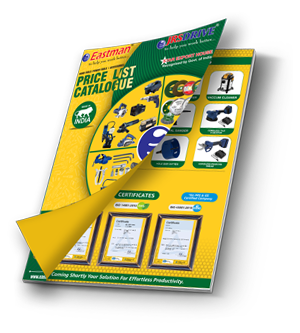
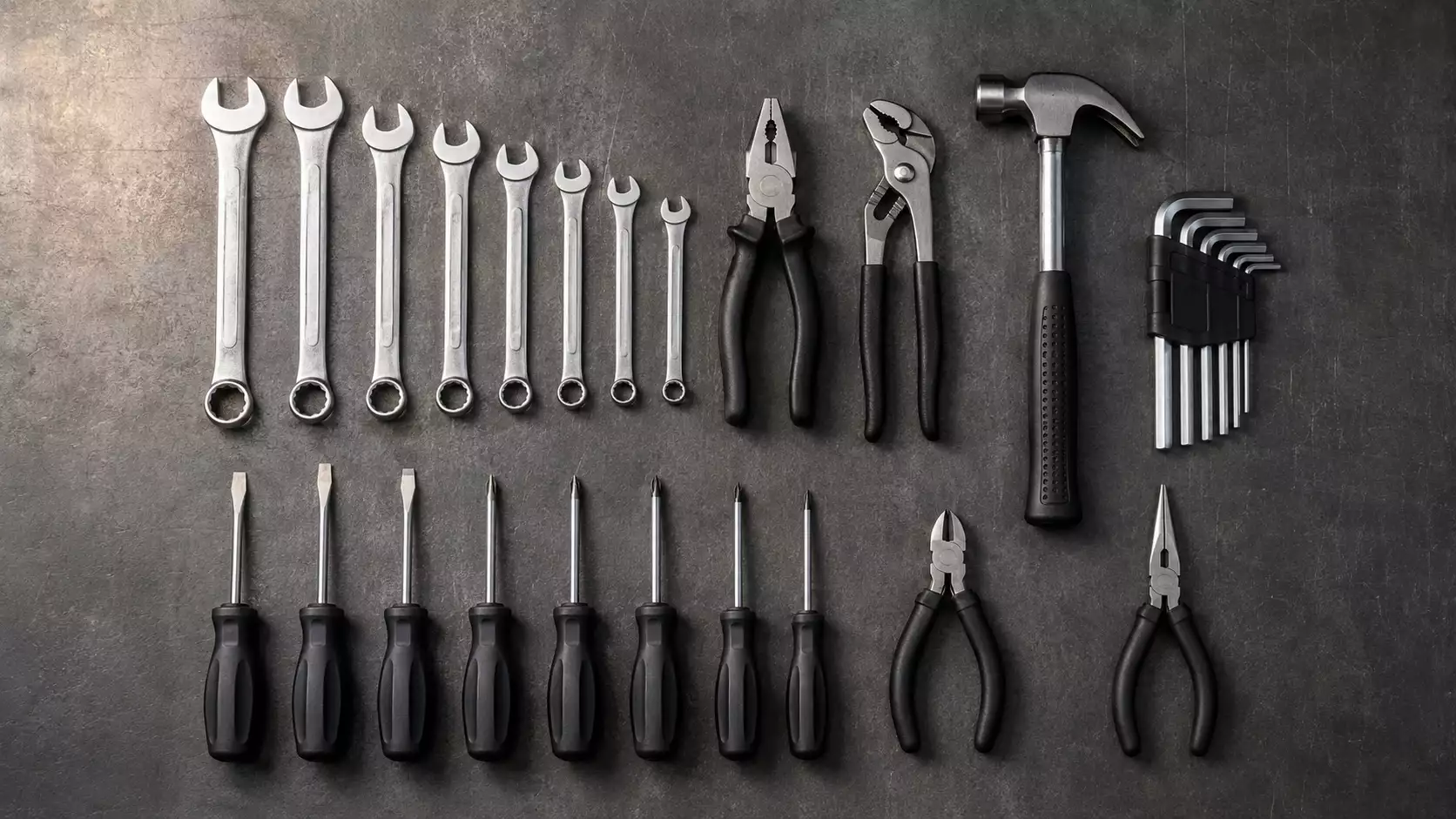
Eastman Hand Tools is a Ludhiana-based manufacturer with over 1,500 hand tool products including spanners, wrenches, pliers, hammers, screwdrivers, allen keys, socket sets, and more. The company supplies to dealers and distributors across India and exports to more than 50 countries. When you partner with Eastman as a dealer or franchise partner, you are working directly with the manufacturer — no middlemen, which means better margins for you.
Why Hand Tools Is a Strong Business Category in India
Most franchise businesses come with risks that are hard to control. Food products expire. Fashion trends change. Technology becomes outdated. Hand tools do not have these problems.
Every mechanic needs spanners. Every electrician needs screwdrivers. Every construction site needs hammers and chisels. These are not luxury purchases — they are daily working tools that wear out and need replacement regularly. This creates natural, repeat demand.
India’s infrastructure growth adds to this. The government’s ongoing investment in highways, smart cities, metro rail, industrial corridors, and housing projects means that demand for professional hand tools will only increase over the next decade.
For a dealer or franchise partner, this translates into a business where customers come back month after month.
Investment Required to Start
One of the biggest advantages of a hand tools dealership compared to other franchise models is the relatively low entry cost.
When you look at food franchises, automobile dealerships, or wellness brands — the investment often runs into tens of lakhs before you even open your doors. A hand tools dealership can be started with significantly lower capital.
Here is a general breakdown of what you will need:
Initial stock and working capital: This is the primary investment. For a starting dealership, an initial working capital of 2 lakh to 5 lakh rupees is a common starting range depending on your target market. If you are targeting large industrial buyers or multiple product categories, the initial stock requirement will be higher. If you are starting in a smaller market with a focused product range, you can begin at the lower end.
Storage space: You need a godown or warehouse to store inventory. If you already have space, this is not an added cost. If not, this depends on local rental rates in your city.
Basic operational setup: Shelving, a basic billing system, and local delivery logistics are the main requirements.
Brand or franchise fee: Unlike many franchise brands that charge a large upfront fee for using their name, Eastman’s dealership model does not have a heavy entry fee structure. This makes it more accessible for first-time business owners and small investors.
The exact figures will vary based on your city, the industries you plan to target, and the product categories you start with. Eastman’s team can give you a specific recommendation based on your location.
When Can You Expect Returns
Hand tools are a fast-moving category in industrial and B2B markets. Once you establish relationships with a few regular customers — a cluster of workshops, a contractor, or a factory’s procurement team — you start getting repeat orders without heavy marketing effort.
In the industrial supplies and hardware distribution sector, a well-managed dealership typically reaches break-even within 12 to 24 months. The timeline depends on your starting stock size, how actively you build your customer base in the first few months, and how well your location matches local industrial demand.
One practical advantage of this business: tools do not expire. If your stock does not move as fast as expected in a given month, it does not become a loss. It stays as inventory ready for the next order. This significantly reduces the financial pressure that dealers in perishable categories face.
Dealers who start with a focused product range — for example, spanners and socket sets for automotive workshops — and then expand gradually tend to reach profitability faster than those who try to cover everything from the beginning.
Who Can Apply
Eastman’s dealership and franchise model is open to a range of business profiles. There is no single strict eligibility requirement, but the following backgrounds work well:
People who are already in hardware, industrial supply, or tools trading and want to add a strong brand to their existing business.
Entrepreneurs who want to start fresh with a B2B business model and have access to storage space and basic logistics.
Distributors or wholesalers operating in related categories — construction materials, safety equipment, electrical supplies — who want to expand into hand tools.
Business owners in or near industrial areas, GIDC estates, automotive clusters, or areas with high construction activity.
Basic requirements include GST registration, storage space, and the ability to handle local supply and delivery.
Difference Between Dealership and Franchise
These two terms are often used together but they are slightly different.
A dealership means you buy Eastman products at dealer pricing and sell them in your market under your own business name. You have flexibility in how you operate and whom you sell to.
A franchise is more structured — it involves operating under the Eastman brand with specific guidelines, potentially setting up a dedicated outlet or showroom. This model suits those who want to build a visible, branded store in their city.
Both models are available. Which one suits you depends on your scale, your investment capacity, and your business goals. Eastman’s team can guide you based on your specific situation.
Why Partner With Eastman Specifically
There are several hand tools suppliers in India. What makes working with a direct manufacturer like Eastman different comes down to a few practical points.
Pricing is better because there is no distribution layer between you and the factory. You buy at manufacturer prices.
Supply consistency is reliable. Eastman manufactures in Ludhiana and has the production capacity to handle large and regular orders. You do not face the stock shortage problems that can happen when buying from a trader or small wholesaler.
The product range is comprehensive — over 1,500 SKUs across all major hand tool categories. This means your customers can come to you for multiple needs rather than going to different suppliers.
The brand has an established reputation built over decades. When you tell a customer you are an Eastman dealer, the brand name itself carries trust.
How to Apply
The process is straightforward.
Contact Eastman’s team and share your location, your current business background if any, and whether you are interested in a dealership or franchise arrangement. The team will assess whether your area has open territory, recommend which product categories to start with based on local demand, and provide a clear picture of what the initial setup will look like.
You can reach Eastman at +91 99147 00535 via call or WhatsApp, or submit an inquiry through the contact form at eastmanhandtools.com.
One Practical Tip Before You Start
Many new dealers make the mistake of trying to stock every product category from day one. This ties up working capital and makes inventory management difficult.
Start with two or three categories that match the dominant industry in your area. If your city has a lot of automotive workshops, start with spanners, socket sets, and pliers. If there is heavy construction activity, prioritize hammers, chisels, and wrenches. Once your cash cycle is stable and you know your customers well, expand the range.
Building a successful dealership in any category comes down to two things — having the right products available consistently, and building trust with your buyers over time. Both of these become easier when you are working with a manufacturer who can support you reliably.
Final Word
A hand tools franchise or dealership in India is not a glamorous business on the surface. But it is a fundamentally sound one. The demand is industrial, the repeat purchase cycle is strong, and the risk from inventory is low. For anyone looking to build a steady B2B business with a long-term outlook, this is a category worth taking seriously.
To discuss a dealership or franchise opportunity with Eastman Hand Tools, contact the team today at +91 99147 00535 or visit eastmanhandtools.com.